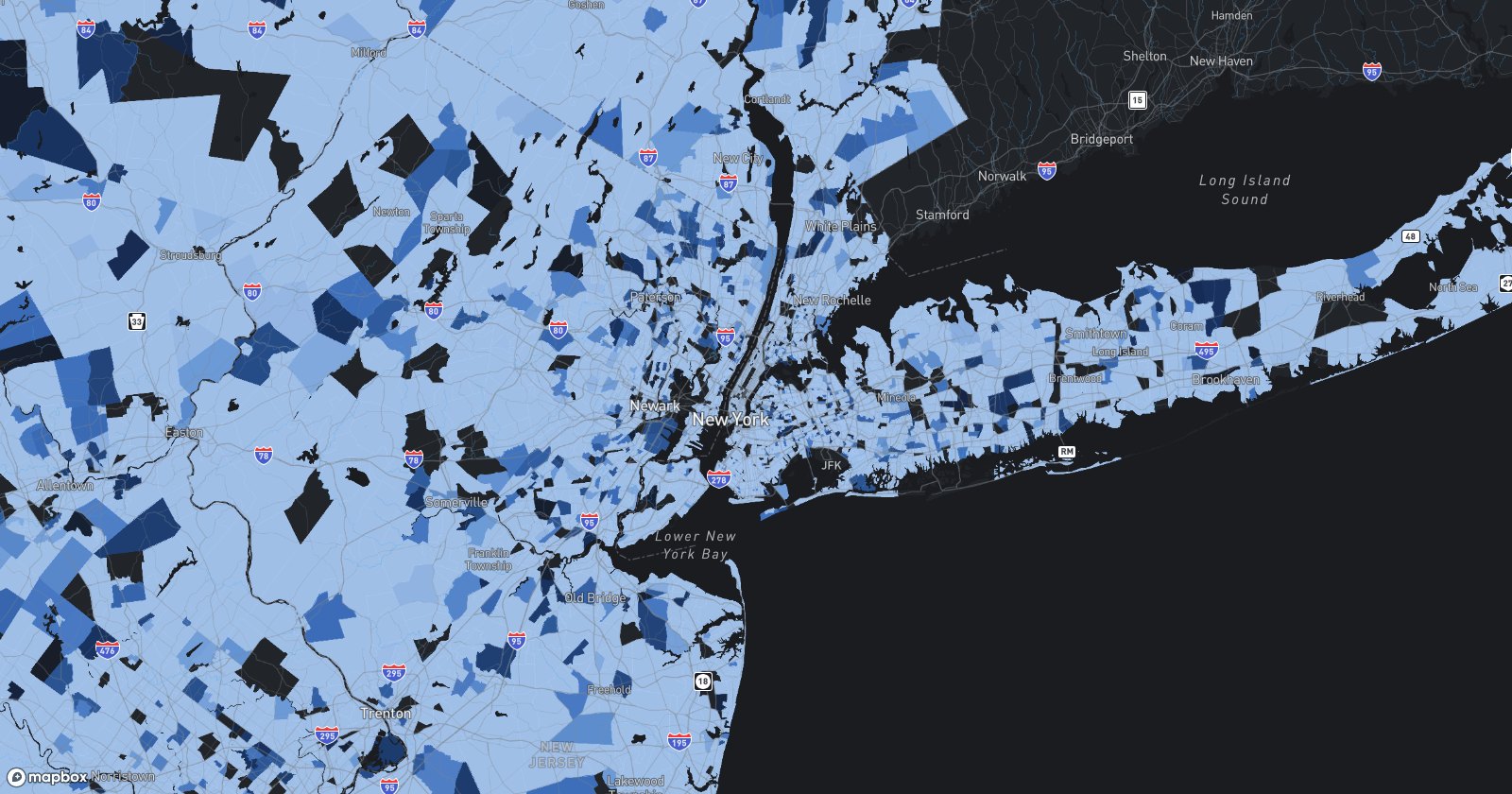
The New Map of American Wealth
In technology, performance tends to depend on architecture. Systems do note operate evenly across ever node. Activity concentrates where infrastructure, incentives, and talent align. The same principle applies to the American economy, though we rarely describe it that way. Wealth unfortunately does not spread smoothly across the country. It clusters, compounds, and reinforces itself every so often.
As of early 2026, the top 1 percent of U.S. Households control 31.7 percent of the total national wealth, the highest share ever recorded. Understanding where that wealth resides and how it moves provides a clearer picture of how economic power actually functions in the United States.
This is not a story about inequality. It is a story about spatial concentration, capital efficiency, and the evolving map of economic influence. Spend time around capital allocators or real estate brokers in New York or Miami and the pattern becomes obvious.
The Capital Clusters
A small number of regions dominate the American wealth landscape. Despite decades of technological progress and remote work, capital remains highly localized.
Five major hubs stand out as primary centers of private wealth:
- Manhattan and the broader New York metropolitan area
- Silicon Valley and the San Francisco Peninsula
- Washington D.C. suburbs in Northern Virginia and Maryland
- Houston & energy corridor cities in Texas
- Miami & South Florida These regions combine financial infrastructure, specialized industries, and dense professional networks. Capital accumulates where opportunities to deploy it are most frequent and where information moves the fastest. Geography still matters. Proximity accelerates decision making. Deals, partnerships, and investment opportunities emerge from concentrated ecosystems rather than isolated individuals. We have seen this time over time for Silicon Valley based investment funds and entrepreneurs.
Manhattan and the Return of Density
Most people thought there was a mass exodus following the pandemic. Yet movements among the ultra high net worth (UHNWI) households tell a different story. At the top end of the market, Manhattan is becoming more concentrated, not less.
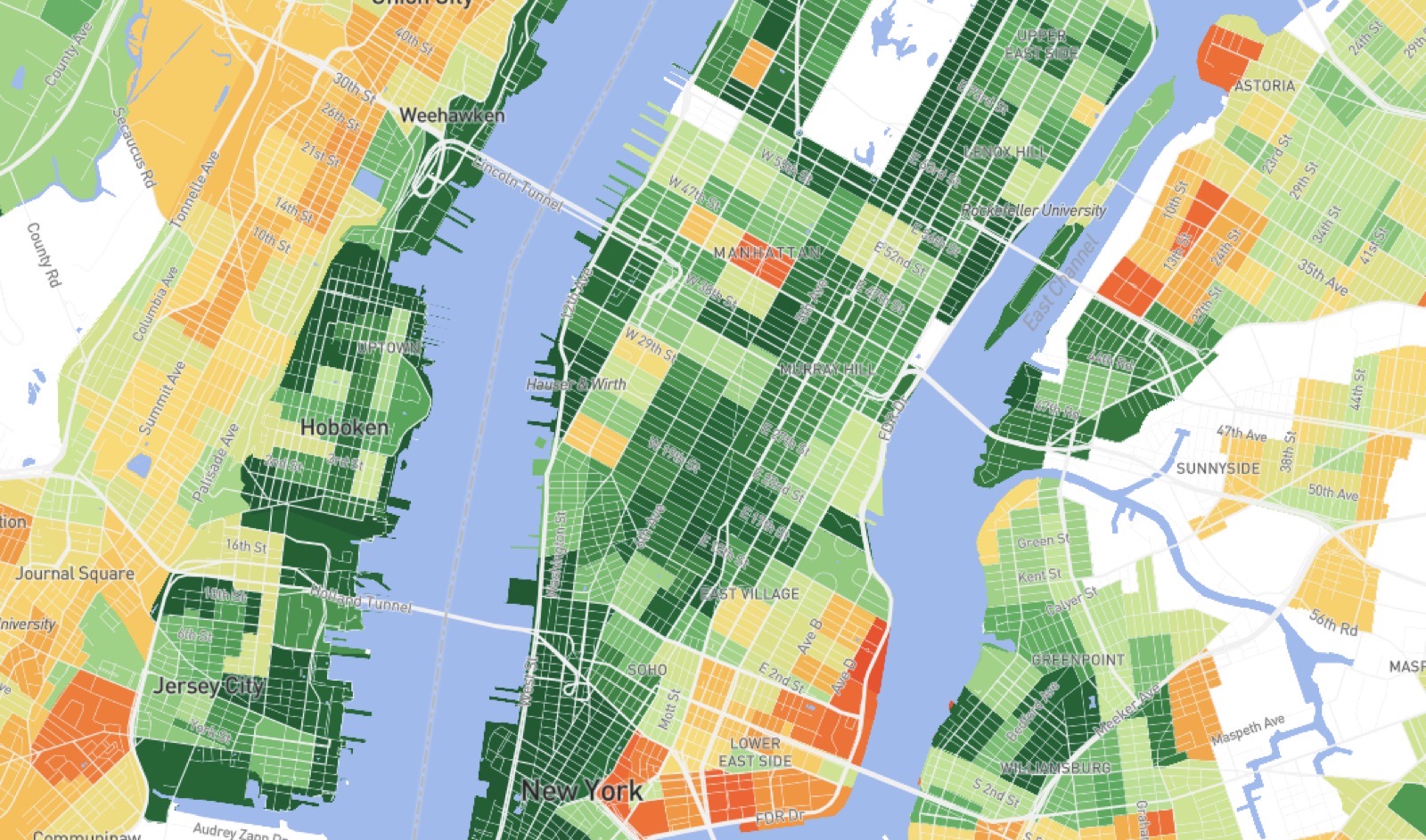
In a recent report from Bloomberg, it show billionaires purchasing adjacent townhouses or entire residential buildings and consolidating them into a single private residence. In neighborhoods such as Upper East Side (UES) and Greenwich village, multiple housing units are increasingly converted into expansive private compounds.
The economic effects are immediate. A block that once housed dozens of families may now serve a single household. Housing supply contracts at the high end, transaction liquidity declines, and local tax dynamics change as ownerships structures evolve.
The pattern is difficult to miss once you start looking for it.
As wealth grows, privacy and control become scarce assets. Urban density is not disappearing. It is being reworked around fewer, wealthier occupants.
The Migration of Capital
While wealth consolidates in legacy financial centers, it is also migrating across state lines.
High net worth households continue relocating from high tax states such as New York and California toward Florida and Texas. The motivation is not complicated. Lower tax burdens increase retained capital, which compounds over time.
Florida, in particular, has emerged as a secondary hub for finance and entrepreneurship connected to the Northeast. Executives maintain business ties to New York while shifting residency to jurisdictions with no state income tax.
This migration represents more than lifestyle preference. It alters municipal revenues, housing markets, and investment flows. Capital is increasingly mobile, and policy environments now compete directly for wealthy residents and the economic activity they generate. States that ignore this dynamic are likely to fall behind.
Education and the Credential Divide
If geography represents the physical layer of wealth, education functions as the primary access tool.
Data from late 2025 shows the median net worth of households with a four year college degree at approximately $464,400. Households with only a high school diploma hold roughly $107,000 in median net worth.
The difference is not limited to income. Education affects asset ownership. College educated households are significantly more likely to hold equities, retirement accounts, and business investments, assets that compound faster than wage income alone.
Over time, the gap compounds. Access to financial markets and investment opportunities becomes increasingly tied to credentials, networks, and institutional affiliation.
The $83 Trillion Transition
The United States is entering the largest intergenerational transfer of wealth in its history.
Baby Boomers currently control more than $83 trillion, representing over half of total household wealth. Over the next two decades, this capital will move primarily to Millennials and Generation Z.
This transition may reshape how capital is deployed. Younger investors demonstrate higher participation in digital assets, venture ecosystems, and sustainability focused investments. Capital allocation decisions are likely to become faster, more technology driven, and more globally distributed.
The geographic map of wealth may not disappear, but its velocity is likely to increase.
Why the Map Matters
Wealth is not abstract. It exists in specific places, moves through identifiable networks, and responds to measurable incentives.
For businesses, investors, and policymakers, understanding where capital concentrates is increasingly important. Marketing efficiency, investment strategy, and economic development all depend on recognizing how wealth clusters and how those clusters evolve.
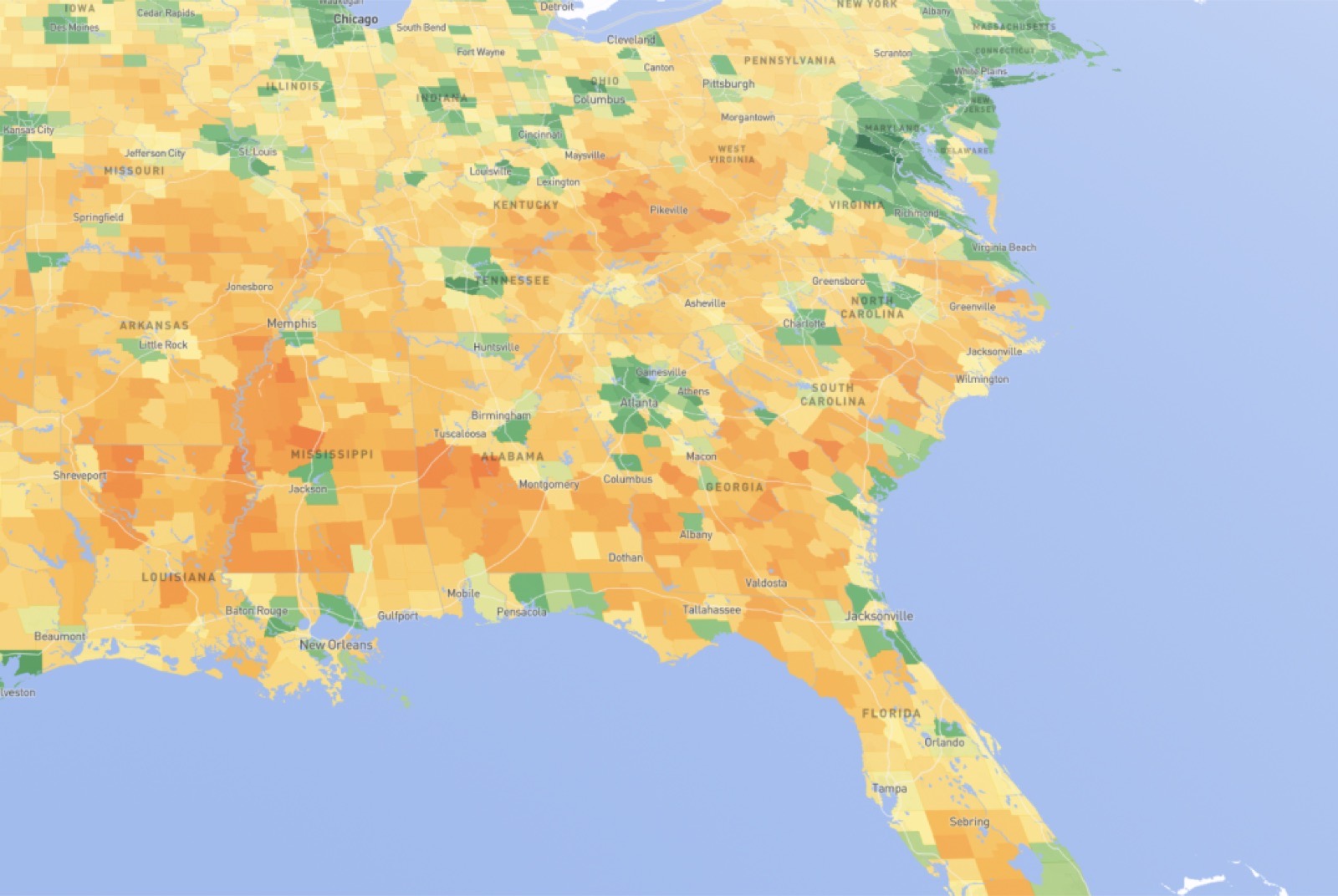
As physical assets and financial ownership become increasingly digitized through tokenization and data driven markets, the geography of capital will inform the architecture of future economic systems.
Companies building infrastructure for the movement of value must understand not only how money flows digitally, but where it originates physically.
The next generation of economic infrastructure will be built around this reality, whether markets acknowledge it yet or not.
At Calder, we treat the map of wealth as infrastructure, because where capital concentrates today determines where opportunity compounds tomorrow.